
Dementia can’t be fully prevented, but around 40% of cases may be delayed or reduced through lifestyle changes,
and high‑quality, person‑centred care can significantly improve quality of life.
Useful Tips
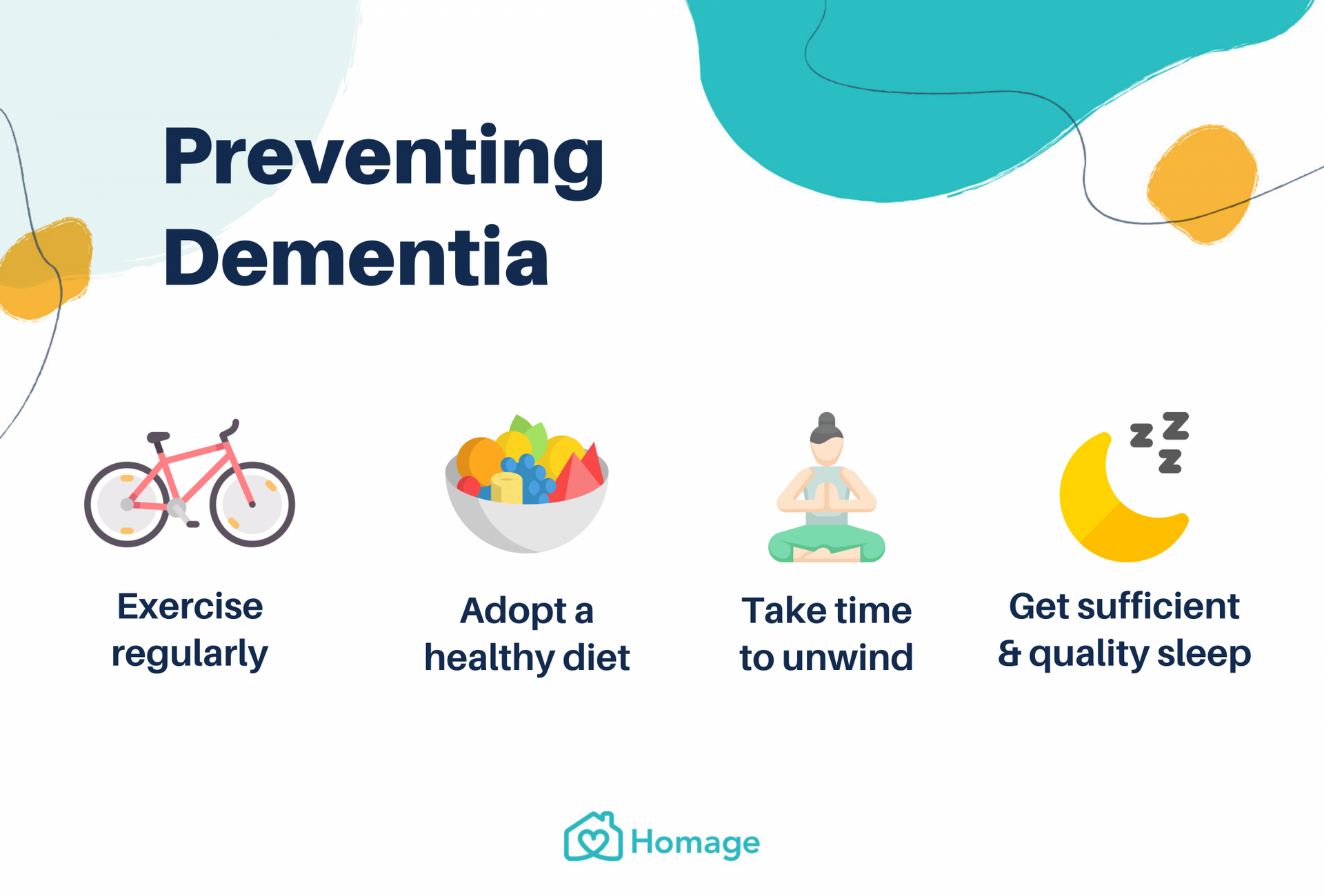
What Actually Helps
1. Protect your heart and blood vessels
What’s good for the heart is good for the brain.
Evidence shows that high blood pressure, high cholesterol, diabetes, obesity, and smoking all increase dementia risk.
• Eat a balanced diet (fruit, veg, wholegrains, low saturated fat).
• Keep alcohol within 14 units per week.
• Stop smoking (NHS support available).
• Maintain a healthy weight and stay physically active. (nhs.uk)
2. Stay physically active
Adults should aim for 150 minutes of moderate activity per week (walking, swimming, gardening, dancing). Exercise improves blood flow to the brain and reduces vascular risk. (nhs.uk)
3. Keep socially and mentally engaged
Loneliness, depression, and low social contact increase dementia risk. Staying connected builds cognitive resilience.
• Join community groups
• Volunteer
• Attend social clubs (nhs.uk)
4. Protect hearing and vision
Untreated hearing loss is one of the strongest mid life risk factors.
• Get hearing tests
• Use hearing aids if needed
• Keep glasses prescriptions up to date (dementiauk.org)
5. Reduce head injury risk
Wear helmets for cycling, sports, or high risk activities.
(alzheimers.org.uk)
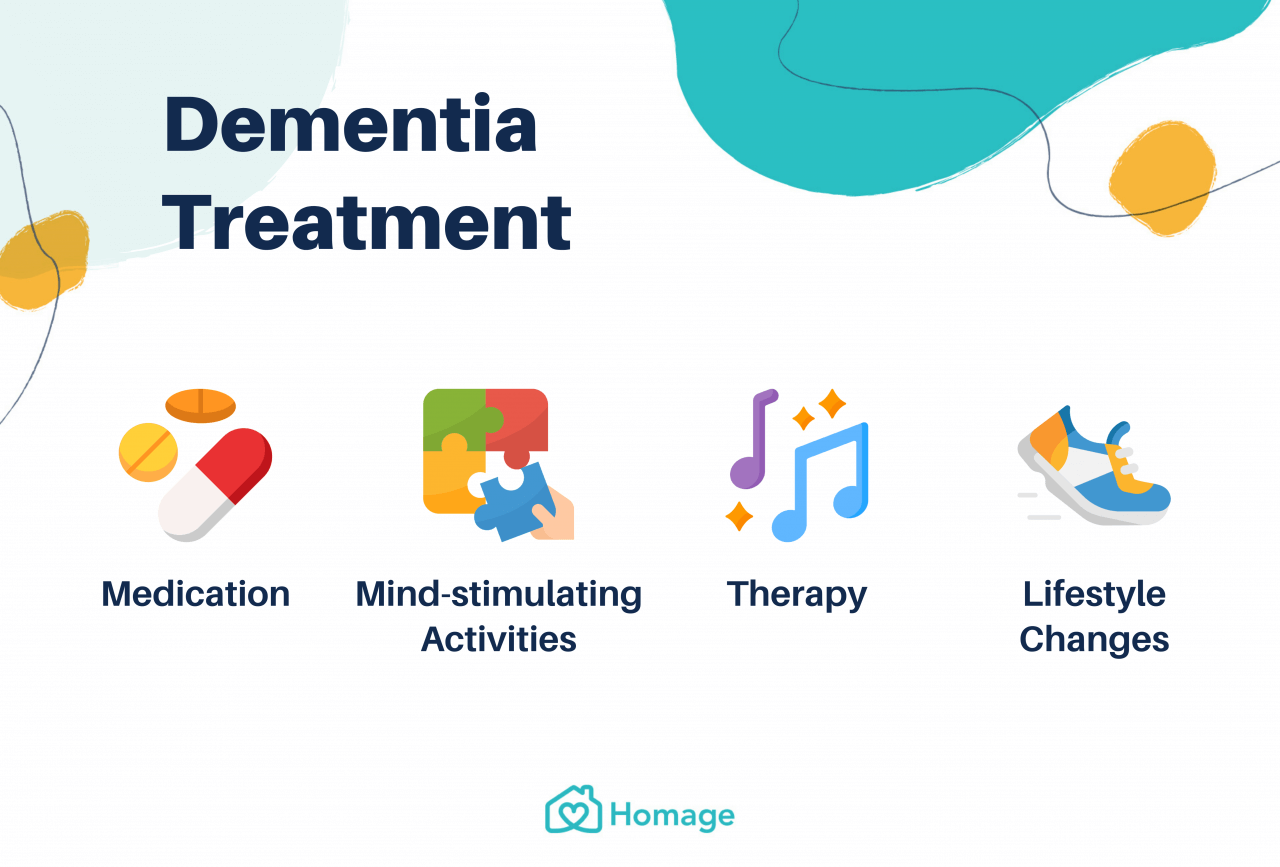
There is no cure for dementia, but several treatments can reduce symptoms, slow progression in some types, and improve quality of life. Treatment depends on the dementia type and the person’s needs.
Below is a clear, structured guide based on NHS and Alzheimer’s Society information. (nhs.uk alzheimers.org.uk)
Medicines Used in Dementia
A. Medicines for Alzheimer’s, Lewy Body, Parkinson’s Dementia, and Mixed Dementia
These medicines don’t stop dementia, but they can temporarily improve memory, thinking, and daily functioning.
- Acetylcholinesterase inhibitors
- Donepezil (Aricept)
- Rivastigmine (Exelon)
- Galantamine (Reminyl)
These help nerve cells communicate by increasing acetylcholine.
Useful in mild–moderate Alzheimer’s, and sometimes Lewy body or Parkinson’s dementia.
Side effects: nausea, appetite loss (often settle after ~2 weeks).(nhs.uk) - Memantine (Ebixa/Marixino/Valios)
Used in moderate–severe Alzheimer’s or when the above drugs aren’t tolerated.
Helps with attention, agitation, and daily functioning.
Side effects: headache, dizziness, constipation (nhs.uk)
B. Medicines for Vascular Dementia
There are
no specific dementia drugs for vascular dementia.
Treatment focuses on managing underlying conditions:
- High blood pressure
- High cholesterol
- Diabetes
- Heart disease
This can slow further decline. (nhs.uk)
Non‑Medication Treatments (Equally Important)
Cognitive Stimulation Therapy (CST)
Group activities that support
memory, language, and problem‑solving.
Strong evidence for benefit in mild–moderate dementia.(nhs.uk)
Cognitive Rehabilitation
Working with an occupational therapist to achieve personal goals (e.g., using a phone, cooking safely).
Helps maintain independence. (nhs.uk)
Reminiscence & Life Story Work
Using photos, music, and personal memories to improve mood and connection.
Supports identity and reduces distress. (nhs.uk)
Therapies for Wellbeing
Evidence is emerging for:
- Music therapy
- Art therapy
- Massage
- Aromatherapy
These can reduce agitation and improve mood. (alzheimers.org.uk)
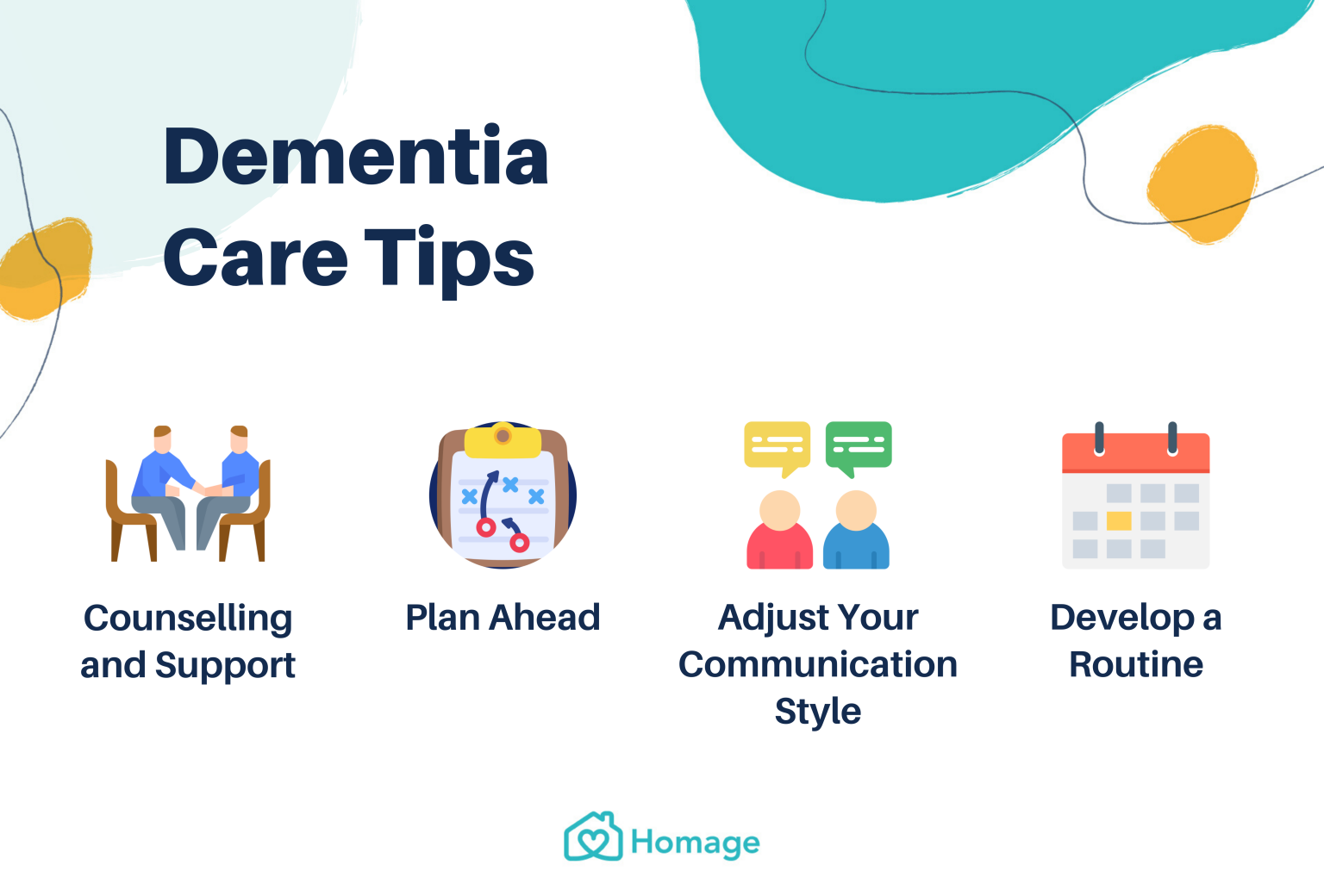
Dementia Care: What Good Support Looks Like
1. Person‑centred care
Care should focus on the person’s history, preferences, routines, and strengths. This improves wellbeing and reduces distress.
(alzheimers.org.uk)
2. Support from health and social care
In the UK, dementia care involves:
- GP support and regular reviews
- Social care assessments
- Carer support services
- Possible home care or care home option
(nhs.uk)
3. Communication strategies
Good communication reduces anxiety and helps people stay independent longer.
- Use short, clear sentences
- Allow extra time
- Keep environments calm and predictable
4. Carer wellbeing
Caring can be rewarding but exhausting. Carers need:
- Respite breaks
- Emotional support
- Peer groups
Practical guidance
You are not alone...
Even if you are not ready for our services we can still offer advice, support, and guidance.
